Two Works, One Thought
שתי עבודות מחשבה אחת: a Facebook series, translated from Hebrew
A series of posts I write in Hebrew on Facebook. Each one puts two of my works side by side, sometimes twenty years apart, and follows the one thought that connects them. The posts are translated here as closely as I could to the original; each one links back to the Hebrew post.
#1 A perfect circle and Leap of Faith
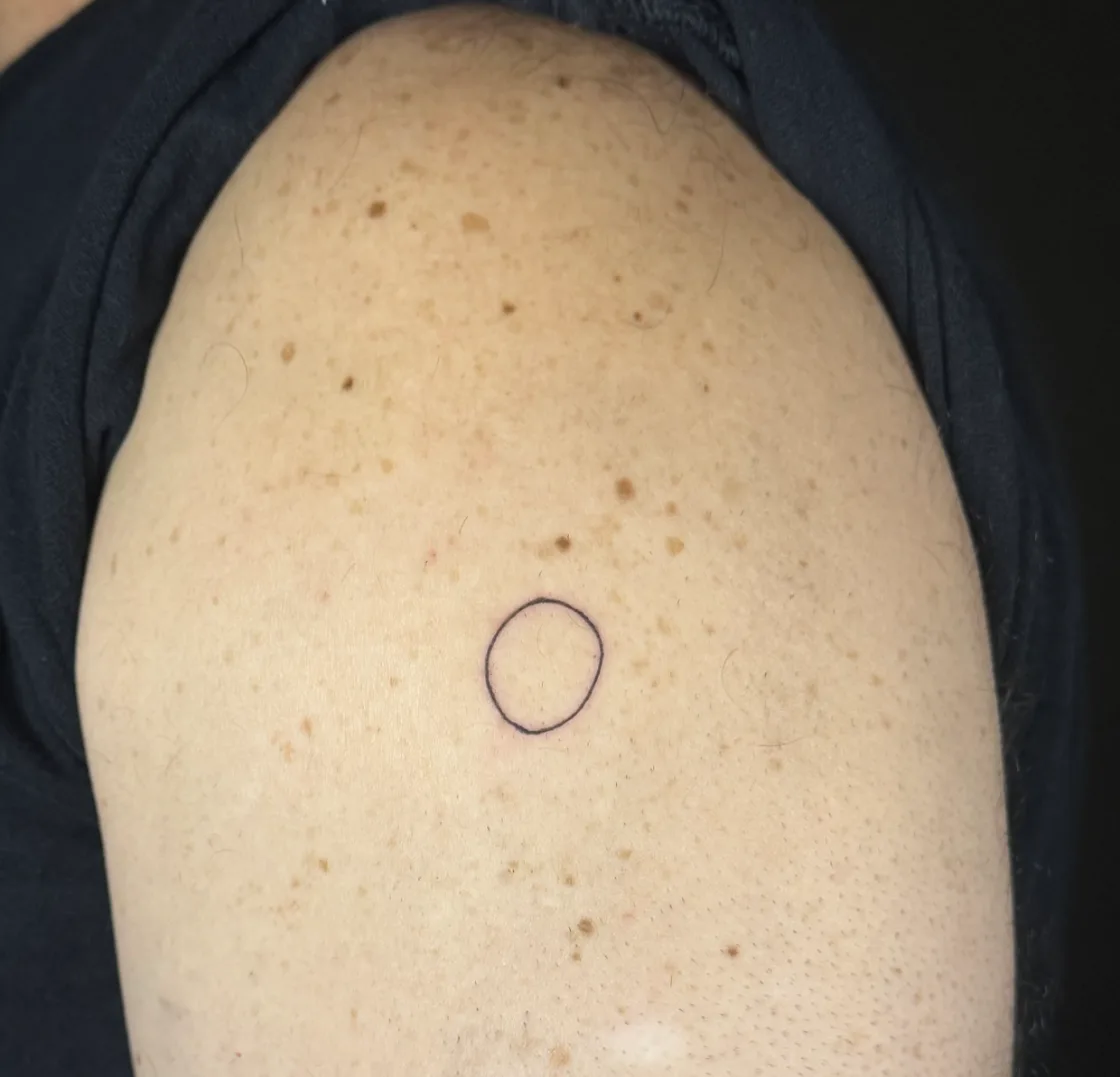
A tattoo I decided to get not long ago. I asked for a perfect circle, freehand. The tattooist hesitated and asked whether I knew it wouldn’t come out perfect. I knew. He sweated from all the concentration and effort, and in the end we both had a cathartic experience and an intimate conversation about life and the whole and flawed parts of it. I’ll keep looking for more circles in other people.
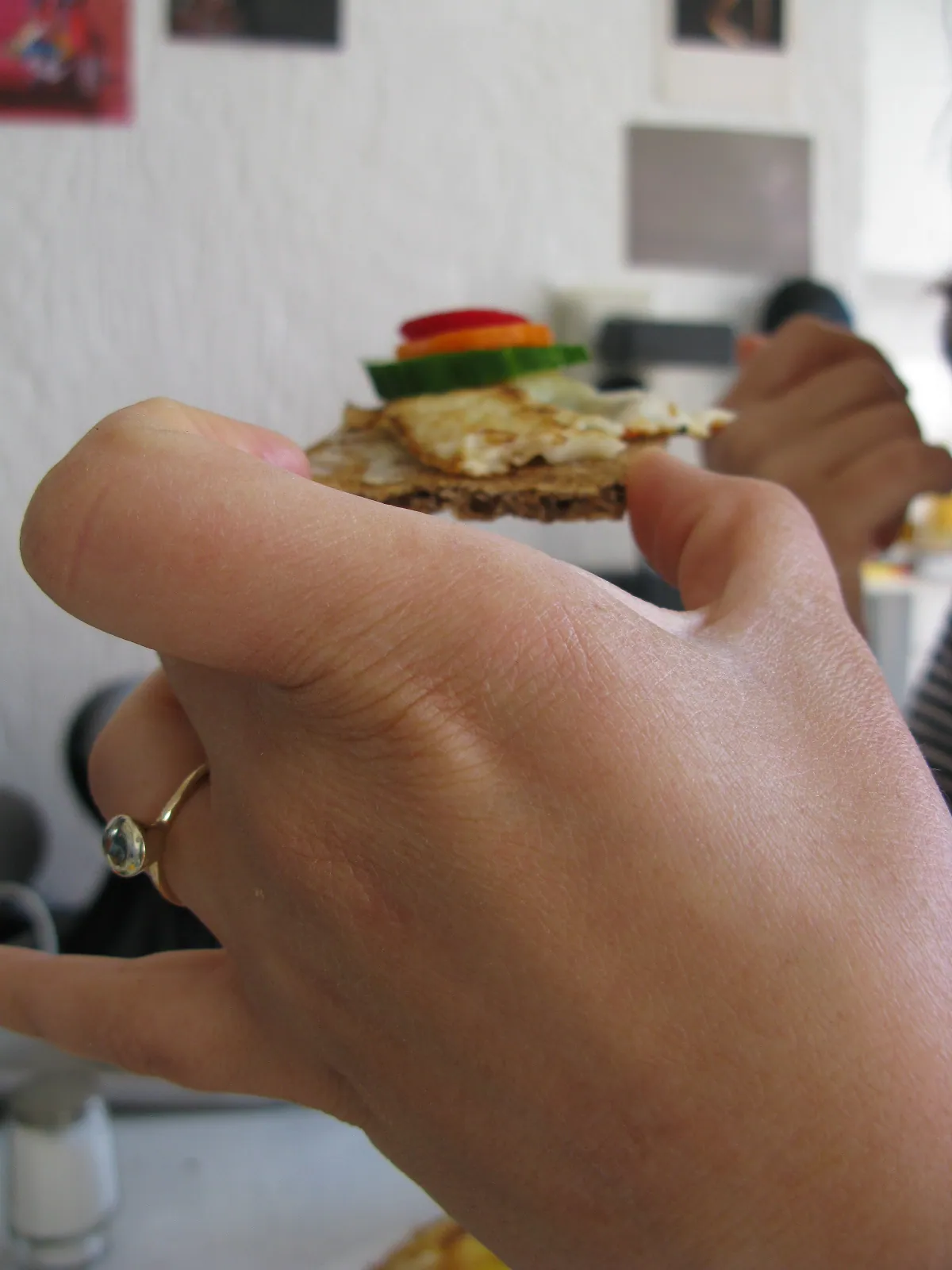
For some reason it reminded me of the engagement ring I made many years ago. It is set with a diamond that is completely covered in gold. I called it Leap of Faith, and asked my partner, my wife-to-be, to put her soul in her palm (in both senses) and believe in me, and maybe a little in us too.
Both made me think about this need of mine (my itch) to create stirring experiences between me and others, and between them and themselves. Experiences that might make you stop for a moment and wonder, burn in a question, tattoo a memory, connect souls, spark a conversation, even if only for one moment of grace.
I’ll keep sharing like this from time to time. You’re welcome to share thoughts, reactions or wonderings too.
Read the original post in Hebrew
#2 StoryStore and PièceDeRésistance
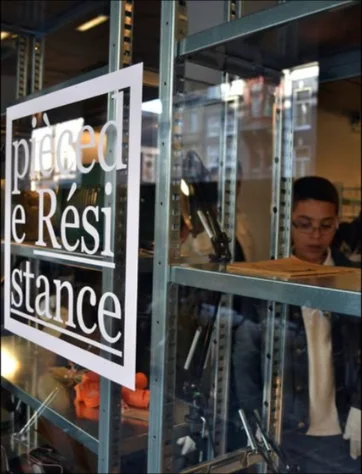
During an artists’ meeting in Lod, and while rummaging through my digital archives lately, my preoccupation with stories suddenly came up. An experience is a matter of a moment, a collection of sensory input along the timeline, but the stories we form after it, with a beginning, a middle and an end, are the very memory we carry with us, share about the world, and build our identity from, along with the way we choose to act in reality afterwards.
Two examples from past projects. The first is StoryStore, a shop I opened during Dutch Design Week in Eindhoven (ddw.nl) in 2007, where I invited makers to hide an object inside a box and sell it to passers-by through the story behind it (without giving away anything about the object itself). It was an interesting and challenging experiment both in the consumer story, on the buyers’ side, and in the story of the making, on the side of the designers and artists.
The second is PièceDeRésistance, which I curated at Mediamatic in Amsterdam in 2011. Around the events of the Arab Spring I invited people from all over the world to send and bring to the exhibition objects with stories of resistance behind them. We created a folk museum of objects and stories: from stories of resisting crime, through uprisings against European monarchies, stories about the price of resistance in the Arab world, and also a story of resistance in the shape of a toy airplane built from night-time sorties to the street from a hiding place during the Holocaust. Visitors were invited to come, learn, physically explore the findings and help with the archiving.
These two came to mind as part of a community art project in Lod, initiated by Zumu. Lod is a Rashomon of fascinating, complex stories from every edge of Israeli society. And all of us are in a time when the stories around us are becoming more simplistic, monotonous and polarized than ever. It’s nice to remember my days of innocence and to remind myself how important it is to bring back the register of experience and story, which gives all of us the breadth of canvas and depth of feeling we need.
Read the original post in Hebrew
#3 InterCourse and DoppelGänger
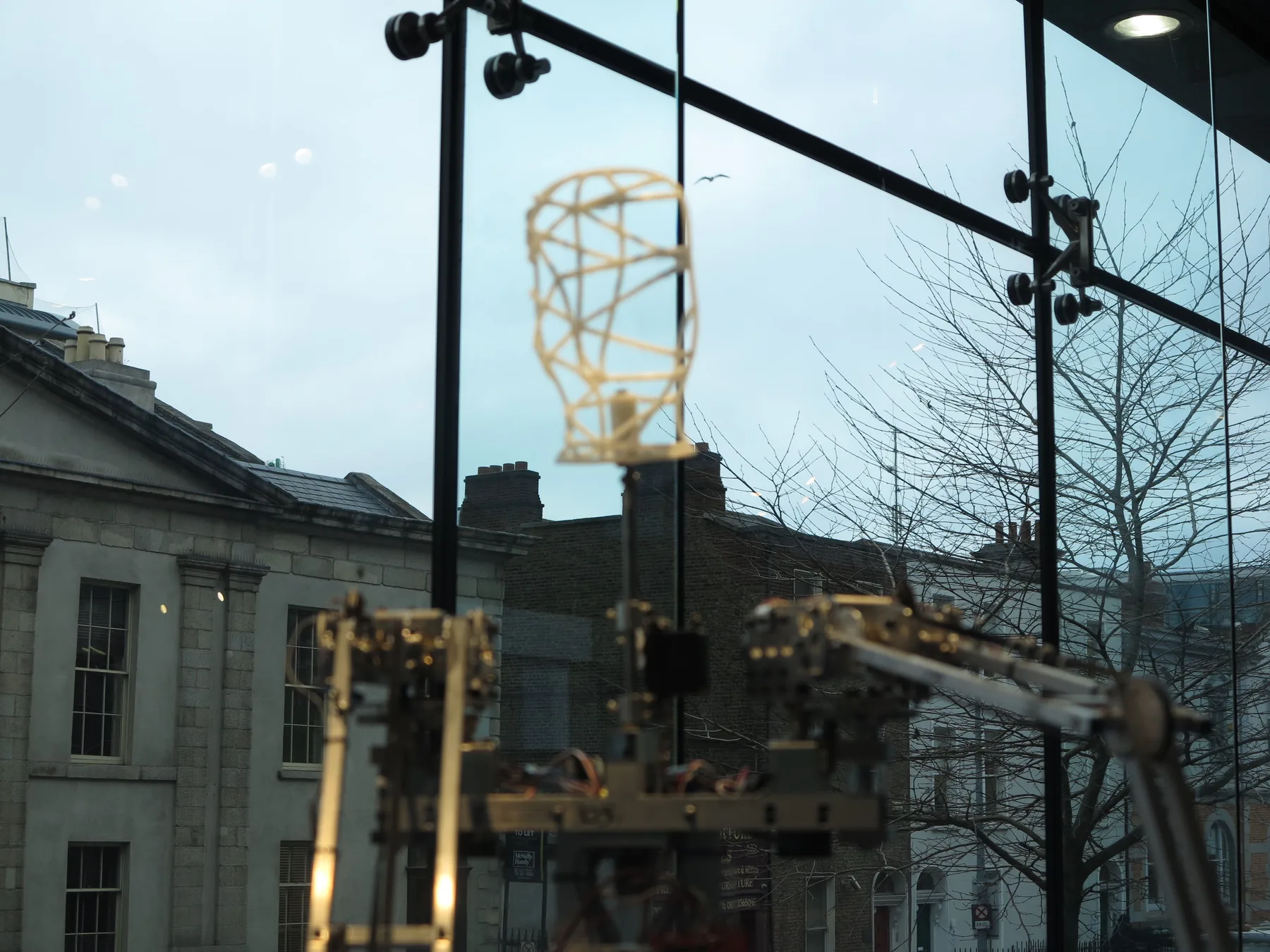
Encounters have always interested me, not (only) the participants but (mainly) the encounter itself, like Martin Buber’s Das Zwischen: the space of the relationship, the in-between. I’m drawn to objects and experiences designed to establish and accompany such encounters. To this day, the most meaningful encounters of our lives have been with other human beings. Much has been written and researched about the encounter with the other, the human being who is similar and different from you, and it seems (to me) that at least a considerable part of our encounters and relationships in the coming years will be with artificial intelligence entities that will shed and take on all kinds of strange forms.
In this space, along a timeline of about 20 years, sit two of my works. InterCourse, shown at the Ceramics Biennale in 2006 at the Eretz Israel Museum, where I created a series of plates as an arena for different encounters between people and between people and food, for interaction, and for the story that ties it all together. In 2017, in DoppelGänger, the encounter was already between humans and robots, through a glitched mirror action (like the ones at funfairs that add a charming distortion) that gives the robots a layer of character but still leaves them dependent on human movement to take on form and qualities. It was shown at the Science Gallery in Dublin and made together with my many partners in crime, Zvika Markfeld among them.
Today, in 2026, we stand before intelligent entities capable of reflecting on themselves, of expressing an opinion and a will, maybe even of making independent decisions, and soon they will also have a body and a volumetric presence in space. Our relationships are changing: between intelligent beings who look at the world as a tool (some would critically say they look at other intelligent beings that way too) and a two-way (maybe many-way) gaze at aliens we created ourselves, in our own image.
Many of these questions are issues I’m exploring these days, in action research, installations and also in workshops for building and designing entities. If this interests any of you, or sparks a wish to share or collaborate, then gladly.